What’s Inside: Starting seeds indoors with your kids is easy and so rewarding. Here’s a look at three keys to a successful start.
This post may contain affiliate links. If you find my content valuable and make a purchase through one of my links, I will earn a commission at no cost to you, which helps me keep this blog going so I can help you even more! I recommend products I trust and/or use myself, and all opinions I express are my own. Read the full disclaimer here.
Starting Seeds Quick Questions & Answers
What’s the best way to start seeds indoors?
My 3 favorite seed starting tips:
- Remember to visit your plants a few times a day. Water if needed, talk to them, and wiggle them gently to help them grow strong.
- Use lights for at least 12 hours/day. Daylight is too short.
- Plant more than you will need. You can’t make up for lost time if you have failures.
What are common pitfalls and problems when you grow seeds indoors?
Forgetting to water fast growing plants on heat mats that dry out the soil too quickly! That’s always my biggest challenge. Bugs is another challenge. Use some natural (Neem oil) repellent or traps. Weak, leggy seedlings will occur with not enough light.
What seeds NOT to start indoors?
There are some seeds that are just better WITHOUT transplanting. The most common direct sow seeds are root vegetables like carrots, radish,& beets; warm season starts like corn, beans, cucumbers & squashes; and early season seeds like peas, & spinach. You can do it, but sometimes it just isn’t worth it.
Where can I read more?
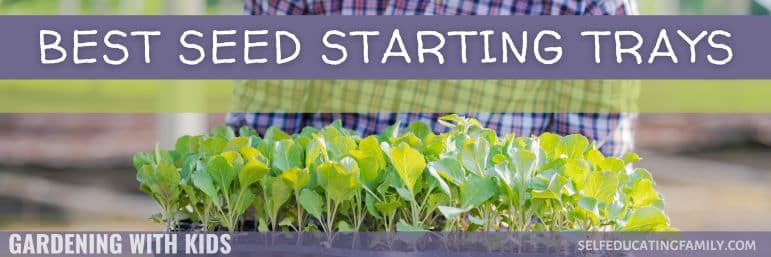
Read my posts on the Woodworking Seed Shelf Project and on the Best Seed Starting Trays.
Three Keys to Starting Seeds Indoors
- Use lights.
- Plant more than you need.
- Check on your seedlings 2-3 times a day.
I’m going to talk about these three keys to starting seeds indoors, but I want to share my enthusiasm first.
The Excitement of Seed Starting
I get so excited when the days start getting longer. I know I’m supposed to be hibernating, but I can’t help it.
This winter was unseasonably warm and dry. I’m kind of glad I used a cover crop of winter rye on my outdoor beds – they had green shoots all winter – even under the snow.
What’s your zone?
I’m in Zone 5 and have a growing season length of 151 days – which is kind of short. My last frost date isn’t until May 4th.
Knowing these dates and information is why I like my book about Biointensive gardening by John Jeavons, which I have mentioned before. The book gives complete detailed instructions based on your dates. So I’m supposed to start my tomatoes XX weeks before last frost.
Which isn’t to say that I always follow the recommendations!
Didn’t I start my seedlings too early?
Yes. Either one or two months early.
I take full responsibility.
But it’s part of my Tip #2 – plant extra seeds in case of catastrophe.
I’m going to make some backup seedlings in another few weeks in case I end up stunting my seedlings by planting too early, but I’m going to work diligently to make sure that doesn’t happen this year.
What happens to early seedlings?
The problem is that each year, my seedlings look pretty good, but are still not big enough when they go in the ground. The professional growers that sell plants always have plants that are twice the size of my plants.
Yes – I know. That’s why they call them “professional”.
But why can’t my plants end up bigger?
Keys
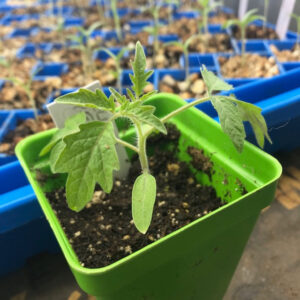
Early seedlings can get tired before their time.
The keys are food, light, water, and pot size.
Simple, right?
Well, everything needs to be “just right”. Bring on Goldilocks!
Food
Seedlings get tired of the soil they are in – they deplete the nutrients. So you need to either give them gentle feedings or replenished soil (as in a new bigger pot). Too much feeding is bad, as is too little.
I tend to believe that they need 2-4 weeks between more food/soil nutrients – 2 weeks and then feed (I use a liquid seaweed fertilizer) and then 2 more weeks and up-pot into the next size pot.
Light
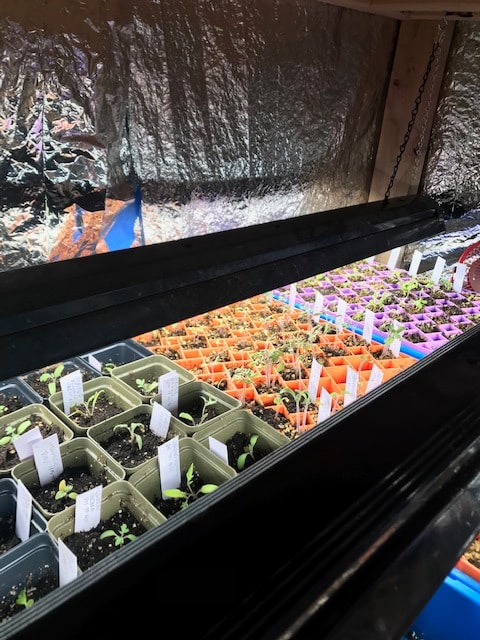
The plants need light right above their little heads – about 1-2” above. That’s why you need your lights to be movable. I have mine on chains that I can lift as the plants grow.
And the light needs to be on a minimum of 12 hours a day. My son is learning tomatoes this year and he wants the lights on a bit longer, so we are keeping the lights on for 15 hours a day.
Natural daylight is better, but even if you had a greenhouse, if it is still winter, you get less than 12 hours a day of sunlight, so supplementing is in order.
We do also give them a heat mat to make them think that it is time to grow.
Water
I don’t even want to think about how many seedlings I have killed with drought. They are very sensitive. You can’t let the soil dry out. Moist but not soggy. Dried out means the roots start dying and the plant gets weak.
Soggy is bad too – damping off will occur if the soil never gets semi-dry.
And some seedlings, like peppers, don’t like their feet wet.
It’s another reason I like my 1020 seed trays. They have ridges for the water to flow into. That way, you can “bottom water” (which makes the roots stronger) and the plant won’t get soggy – it will just wick up the water it needs.
Pot Size
As the plant grows, you have to move it up to a bigger pot to give it room to grow. If you’ve ever got a late season transplant from the garden store, you may have noticed that the plants can get “root bound”. This is when the roots start circling inside the pot because they have nowhere to go.
But if you move the plant to a slightly bigger pot when the roots are ready, then you keep the plant growing at its optimal rate. The plant should hold onto the soil in its pot, and maybe the roots are just starting to come out the bottom a bit, and THEN it is ready for up-potting.
It usually takes 2-4 weeks.
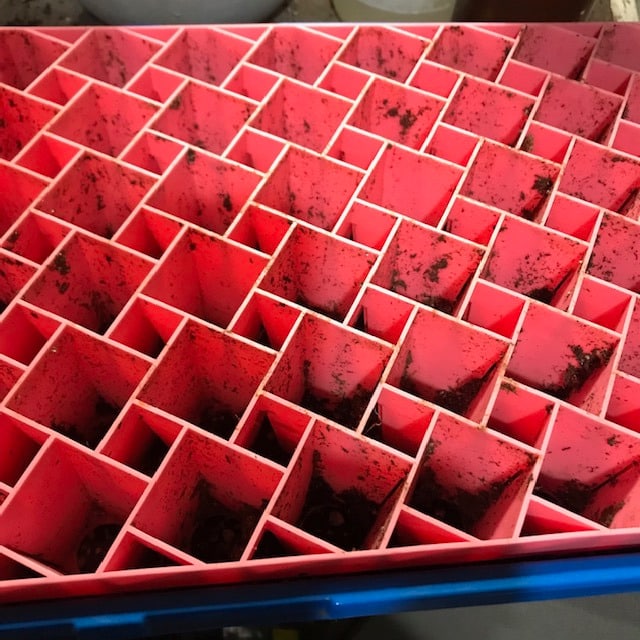
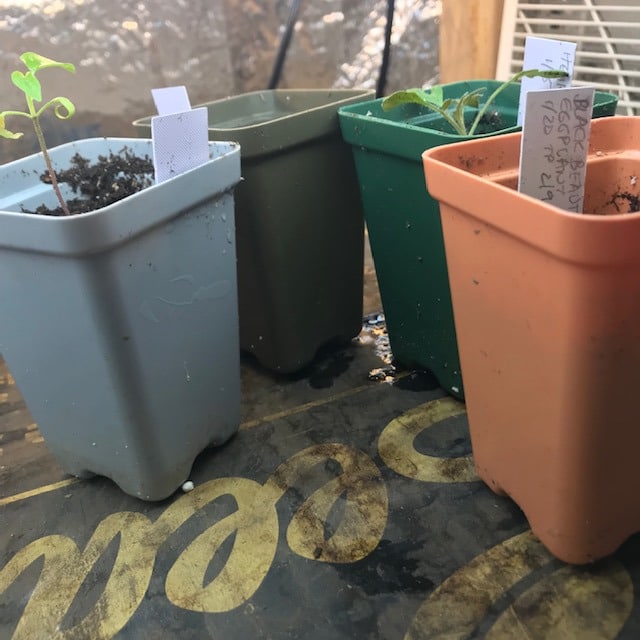
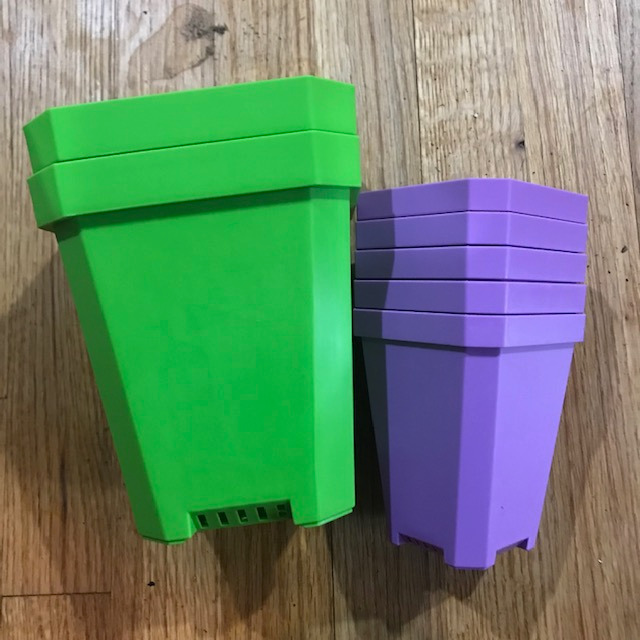
And the pots can’t be too big – my 1” air-pruned cells go into a 2.5” pot which will go into a 3.5” pot and then a 5” pot.
I should have plants ready to go outside after the 5” pot. If they need more time – i.e. if I really did start too early, I will just have to plant them in my really large containers or gallon pots until the weather outside is ready for them.
The excitement
I finally am so excited this year because I have a full lineup of pots to grow into.
Technically, with all the seeds I started, I will run out, but I am ignoring that for now.
Just looking at my lineup of pots makes me giddy with excitement!
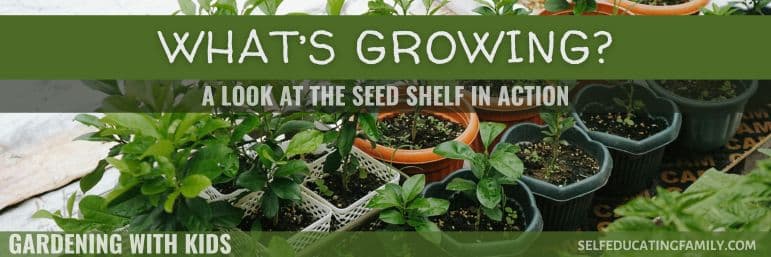
What’s on the shelf this year?
If you want to know what’s growing this year, take a look under the hood of my light table. I’ll post some lots of photos next week so you can see the growth.
Until then, Keep on growing!
Oh…. I mean “learning”!
Keep on Learning
Related Posts